

Bold Financing Choices for Your Next Vehicle: Understanding New vs. Used Car Loans
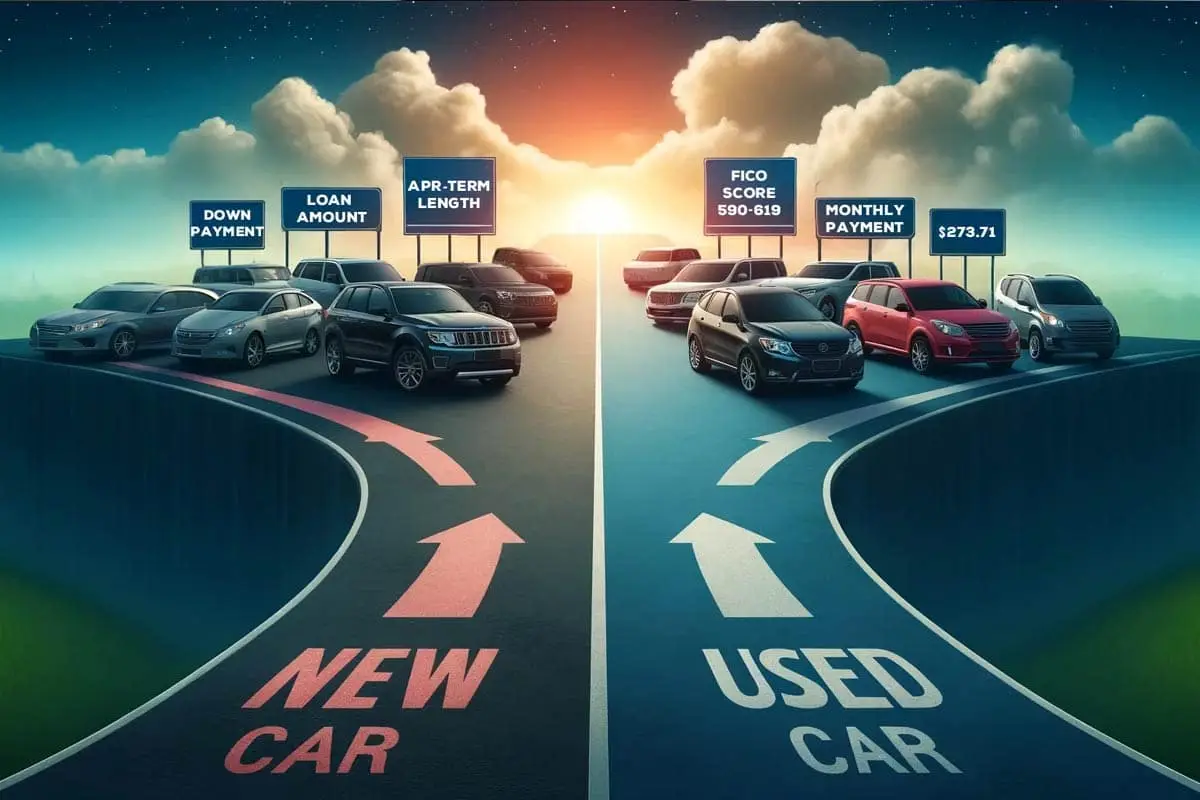
In the journey to purchase a vehicle, buyers stand at the crossroads of choosing between new and used cars, a decision that goes beyond mere aesthetics and dives deep into the financial aspects that accompany auto ownership. This choice is pivotal, not only because of the substantial investment involved but also due to the different financing landscapes that accompany each option. Understanding the nuances of financing for new and used cars is essential for any potential buyer looking to make an informed decision that aligns with their financial goals and lifestyle needs.
The Fundamentals of Auto Financing
Auto financing serves as a bridge for buyers to reach their dream of car ownership, offering a pathway that navigates through credit assessments, loan terms, and down payment calculations. The cornerstone of this process is the buyer’s credit score, which lenders scrutinize to gauge the risk involved in lending. A higher credit score can significantly reduce both the interest rates and monthly payments, making the vehicle more affordable over time.
Equally important is the loan’s duration. Opting for a shorter term, ideally not surpassing five years, is advisable to avoid inflated interest costs. However, the loan duration directly influences the monthly payment amount, requiring a careful balance to ensure it does not strain the buyer’s finances. Moreover, the down payment plays a crucial role in this equation. A substantial down payment not only lowers monthly installments but also demonstrates the buyer’s commitment, potentially improving loan conditions.
Navigating the Differences in Financing New vs. Used Cars
When it comes to financing, the age of the vehicle significantly influences the terms and conditions of the loan. New cars often attract enticing loan offers, including remarkably low-interest rates, thanks to manufacturer support and the perceived lower risk by lenders. These favorable conditions stem from the vehicle’s untouched status, promising reliability and the backing of warranties.
Conversely, used cars, despite their appeal of lower initial costs and slower depreciation, often carry higher interest rates. This reflects the higher risk associated with pre-owned vehicles’ potential for undisclosed issues. Yet, it’s not all bleak; diligent buyers can still find competitive financing options for used cars, especially those only a few years old.
Deciphering Loan Terms for New and Used Cars
The disparity in financing extends to the repayment terms offered for new versus used vehicles. New cars, with their higher price tags, often come with the possibility of longer loan terms, reducing the monthly payment burden on the buyer. In contrast, used car loans are typically capped at shorter durations, reflecting the lender’s hesitancy to commit to long-term financing on a vehicle with an uncertain lifespan. However, the silver lining for used car buyers is the potential for lower interest rates and the prospect of becoming the outright owner in a shorter timeframe.
Comparative Overview: New vs. Used Car Financing Options
| Financing Aspect | New Car Loan | Used Car Loan |
|---|---|---|
| Interest Rates | Low to 6% – 6.99% | Higher than New Cars |
| Loan Duration | Up to 7 Years | Up to 5 Years |
| Down Payment | Varies by Dealer | Influences Rate Reduction |
| Credit Score for Best Rates | 750+ for Best Rates | |
| Monthly Payments | Lower due to Longer Terms | Higher due to Shorter Terms |
| Overall Loan Cost | Lower with Higher Down Payment | Influenced by Down Payment |
Making the Choice: New or Used?
The decision to buy a new or used car is deeply personal, influenced by a myriad of factors including, but not limited to, financial considerations, lifestyle needs, and long-term goals. Prospective buyers should weigh the pros and cons of each option, considering the vehicle’s features, the financial implications of the purchase, and their personal circumstances. Engaging with dealership representatives and conducting thorough research can illuminate the path to making a choice that best suits one’s needs and preferences.
In conclusion, whether opting for the pristine allure of a new car or the seasoned charm of a used vehicle, understanding the intricacies of auto financing is paramount. By arming themselves with knowledge, buyers can navigate the financial landscape of auto ownership, ensuring their decision not only brings them joy but also aligns with their fiscal health.
For those in the Philadelphia area considering the route of used car financing, PA Auto Sales stands out as a beacon of reliability and customer satisfaction. At PA Auto Sales, we specialize in offering competitive financing rates and flexible terms on our extensive range of used sedans, trucks, and SUVs. Our commitment is to provide our customers with a seamless financing experience, tailored to meet their individual needs and circumstances. Let us help you find the perfect vehicle with a financing plan that fits your budget, so you can drive off with confidence and peace of mind.
Expert Answers to Your Top Questions on Financing Your Next Car: New vs. Used
-
What are the main differences between new and used car financing?
New car loans often come with lower interest rates and longer repayment terms, backed by manufacturers. Used car financing, while having potentially higher rates, offers shorter term loans and quicker ownership.
-
How does my credit score affect car financing?
A higher credit score can significantly lower your interest rates and monthly payments for both new and used car loans, making the financing terms more favorable.
-
What should I consider when choosing the loan duration?
While a longer loan duration can lower monthly payments, it may lead to higher overall interest costs. It’s recommended to choose the shortest loan term you can comfortably afford.
-
How does the down payment influence my car loan?
A larger down payment reduces the loan amount, which can lower your monthly payments and possibly qualify you for better loan terms and interest rates.
-
Can I get competitive financing rates for used cars?
Yes, with a strong credit history and shopping around, you can find competitive financing rates for used cars, especially for vehicles that are only a few years old.
-
What are the benefits of choosing a new car loan?
Benefits include lower interest rates, longer repayment terms, and access to the latest technology and safety features, with the reassurance of a manufacturer’s warranty.
-
Are there any advantages to buying a used car with financing?
Advantages include lower initial costs, slower depreciation, and the potential for lower insurance rates. Financing a used car can be a smart choice for budget-conscious buyers.
-
How do I decide whether to buy a new or used car?
Consider factors such as your budget, financing options, vehicle needs, and long-term ownership costs. Consulting with financial advisors or dealership financing experts can also help make an informed decision.
-
What should I do to get the best auto loan rate?
Improve your credit score, shop around for the best loan offers, negotiate the loan terms, and consider making a larger down payment to secure the best rates.
-
How can I accurately calculate my monthly car loan payments?
Use online car loan calculators, which take into account the loan amount, interest rate, down payment, and term length, to estimate your monthly payments.





0 comment(s) so far on Bold Financing Choices for Your Next Vehicle: Understanding New vs. Used Car Loans